
Expert Insights: The Latest Trends in UK Healthcare Services


Digital Transformation in Healthcare
The UK healthcare sector is witnessing a significant shift with the integration of digital technologies. From electronic health records to telemedicine, these advancements are enhancing patient care and streamlining operations. The adoption of AI and machine learning in diagnostics is also paving the way for more accurate and timely treatment.
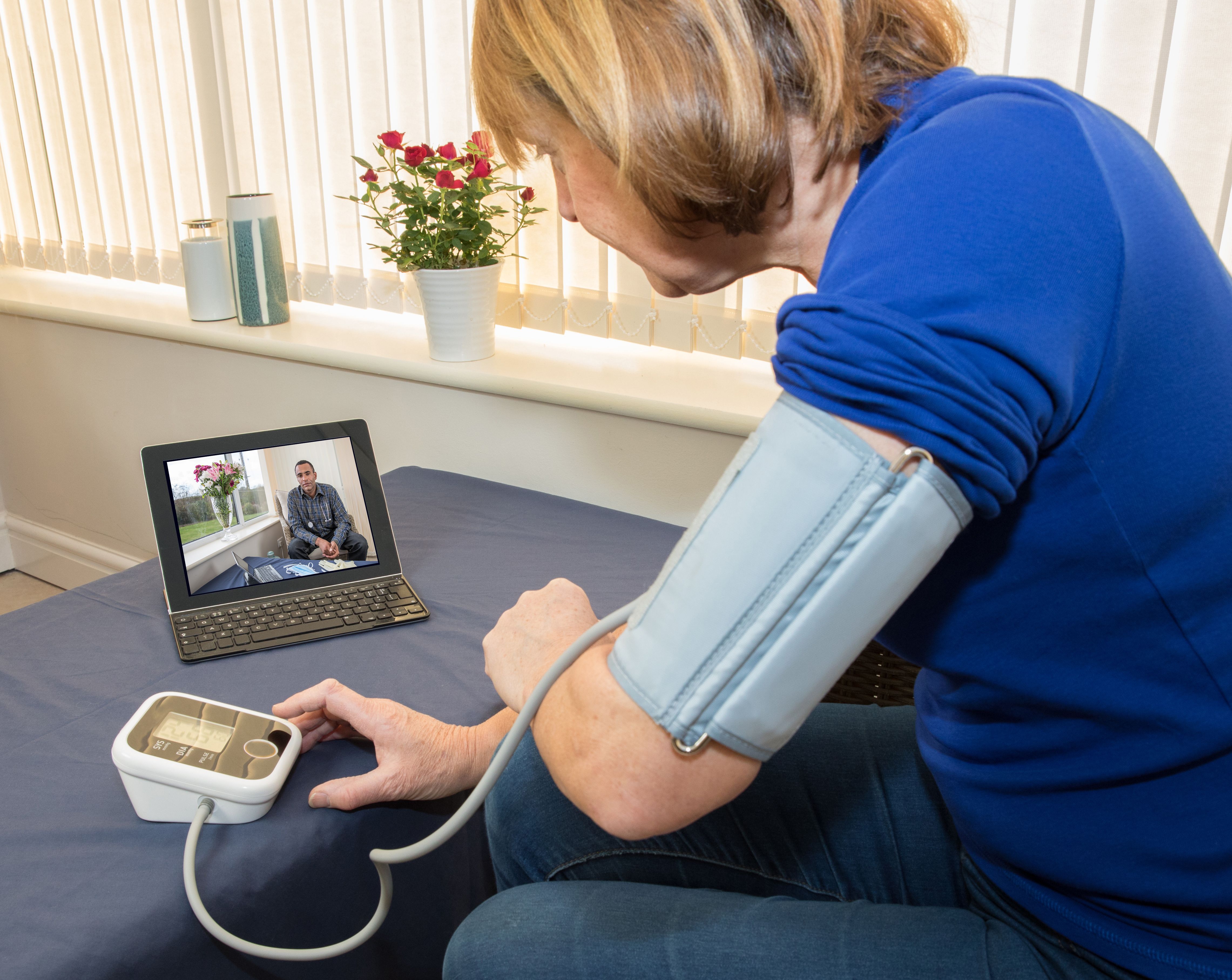
Telemedicine, in particular, has become a cornerstone of healthcare delivery. With the ability to consult patients remotely, healthcare providers can reach underserved areas and reduce the burden on physical facilities. This trend is expected to continue growing, offering more personalized and convenient care solutions.
Focus on Preventive Care
Preventive care has gained prominence as healthcare providers focus on reducing the incidence of chronic diseases. Initiatives aimed at promoting healthy lifestyles and regular screenings are crucial in this approach. By identifying potential health issues early, the healthcare system can mitigate long-term costs and improve patient outcomes.
Incorporating technology into preventive care, such as wearable devices and health apps, empowers individuals to take charge of their health. These tools provide real-time data and feedback, encouraging proactive health management and fostering a culture of wellness.

Integrated Care Systems
The development of Integrated Care Systems (ICS) is another important trend in the UK healthcare landscape. By bringing together various health and care organizations, ICS aims to provide seamless and coordinated services. This approach improves communication between different sectors, ensuring that patients receive comprehensive and efficient care.
ICS also emphasizes the importance of community-based services, allowing patients to receive care closer to home. This not only enhances patient satisfaction but also reduces the strain on hospitals and specialized facilities.

Workforce Challenges and Solutions
The healthcare workforce faces ongoing challenges, including staff shortages and burnout. Addressing these issues is critical to maintaining high-quality care. Strategies such as flexible working arrangements, enhanced training programs, and mental health support are being implemented to support healthcare professionals.
Moreover, technology plays a key role in alleviating workforce pressures. Automation of routine tasks and the use of AI in administrative processes can free up valuable time for healthcare workers to focus on patient care.

Patient-Centric Care Models
Patient-centric care models prioritize the needs and preferences of patients, ensuring that they are active participants in their healthcare journey. This approach fosters trust and improves patient satisfaction, as individuals feel more engaged and informed about their treatment options.
By utilizing digital platforms, healthcare providers can offer personalized care plans and facilitate better communication. This empowers patients to make informed decisions and enhances their overall experience.