
Top Innovations in Health Care: What to Expect from Future Services


Introduction to Health Care Innovations
The health care industry is witnessing a revolutionary transformation driven by cutting-edge innovations. These advancements are not only improving patient care but also making health services more accessible and efficient. In this blog post, we'll explore some top innovations in health care and what we can expect from future services.
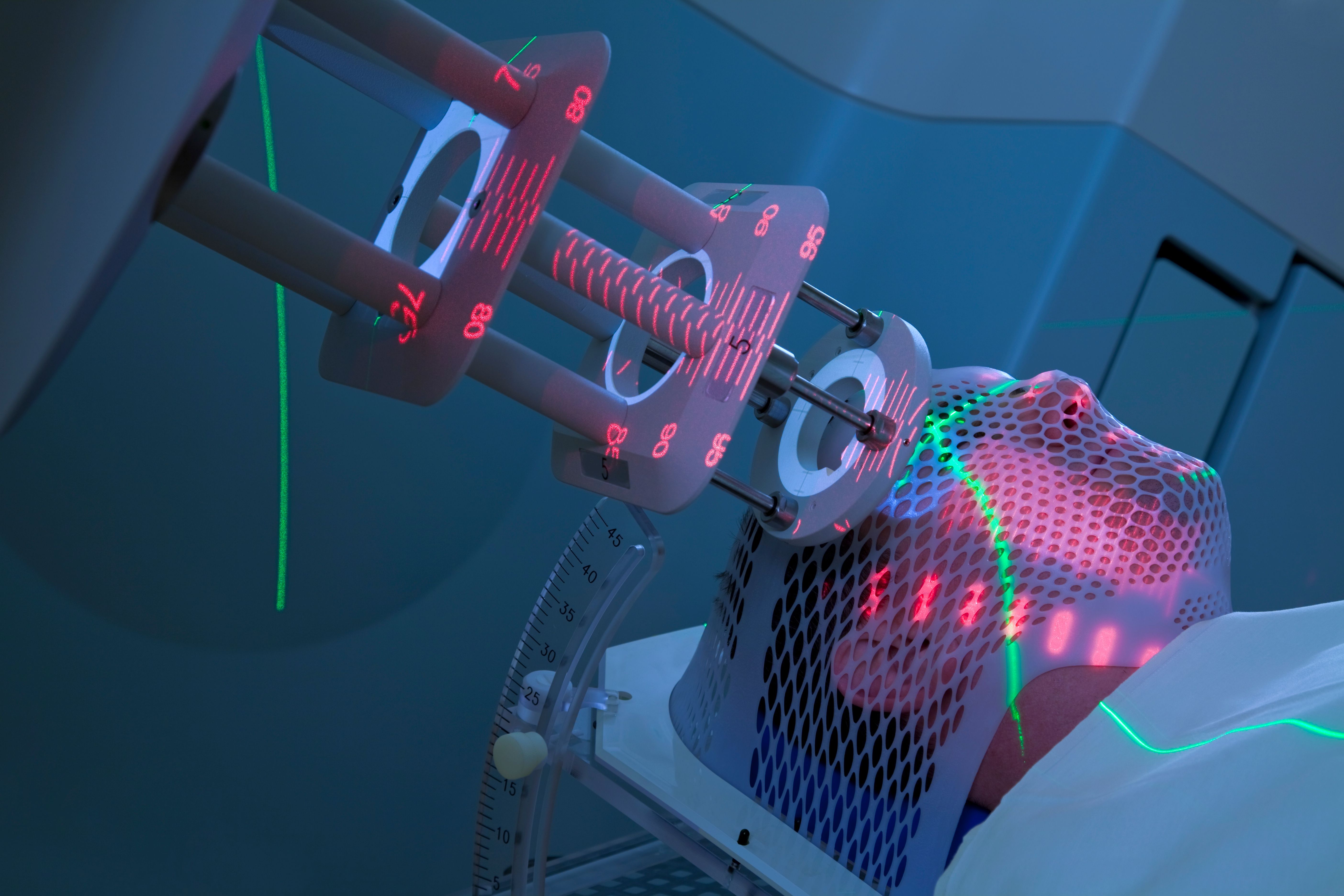
Telemedicine and Remote Patient Monitoring
Telemedicine has become an essential component of modern health care. It allows patients to consult with doctors from the comfort of their homes, reducing the need for physical visits. This not only saves time but also minimizes the risk of infections.
Remote patient monitoring is another exciting development. Devices that track vital signs and health metrics can now send data directly to health care providers. This enables continuous monitoring and timely intervention, especially for chronic conditions.

Artificial Intelligence in Diagnosis
Artificial Intelligence (AI) is transforming the way diagnoses are made. AI algorithms can analyze vast amounts of medical data, identifying patterns and anomalies that might be missed by human eyes. This leads to more accurate and quicker diagnoses, ultimately improving patient outcomes.
AI is also being used to personalize treatment plans, ensuring that patients receive the most effective therapies based on their unique medical histories and genetic information.
Robotics in Surgery
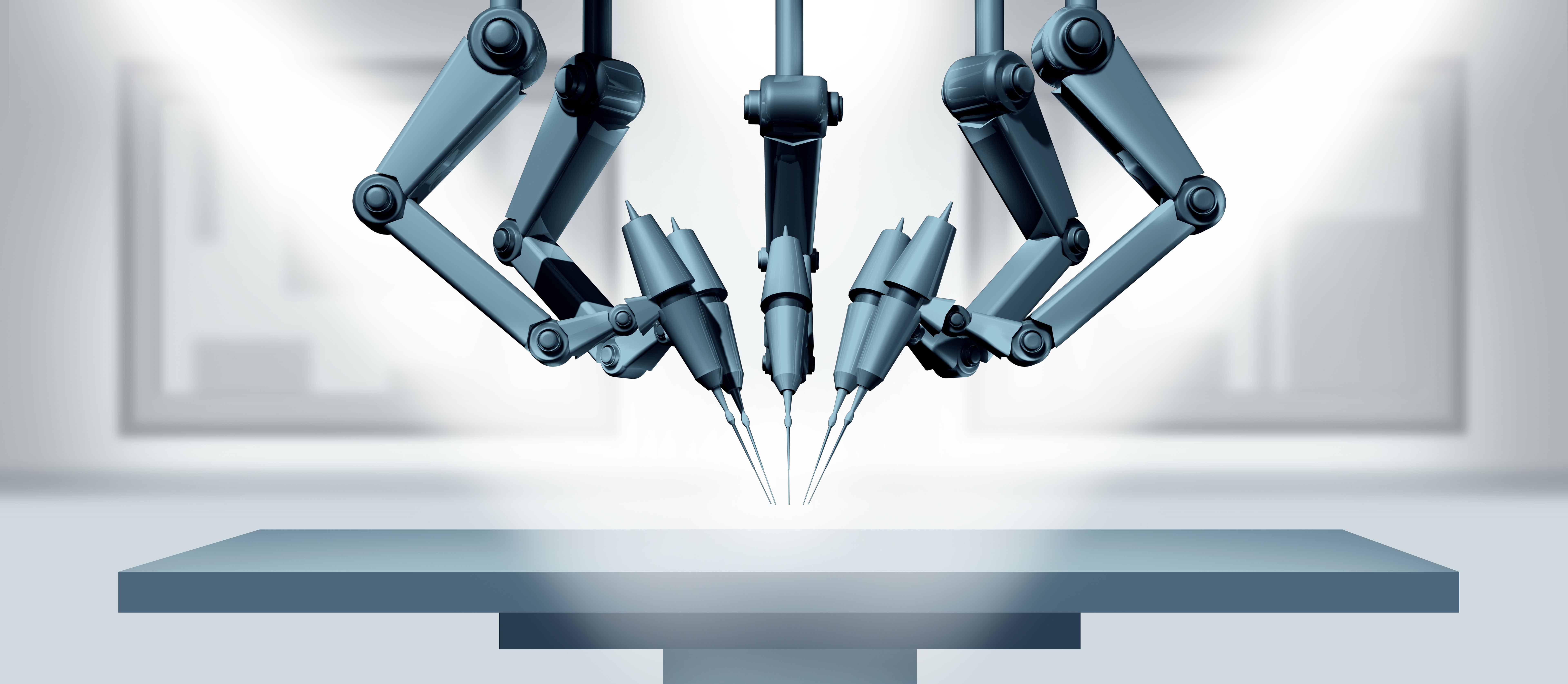
Robotic surgery is another remarkable innovation in health care. Robots can perform complex surgical procedures with high precision, reducing the risk of complications and speeding up recovery times. Surgeons can control these robots remotely, allowing for greater flexibility and precision.
Wearable Health Technology
Wearable technology like fitness trackers and smartwatches is becoming increasingly popular. These devices can monitor heart rates, sleep patterns, and even detect irregular heartbeats. The data collected can be shared with health care providers, offering insights into a patient's health and lifestyle.
As technology advances, wearables are expected to become even more sophisticated, providing real-time health analytics and personalized recommendations.
3D Printing and Personalized Medicine
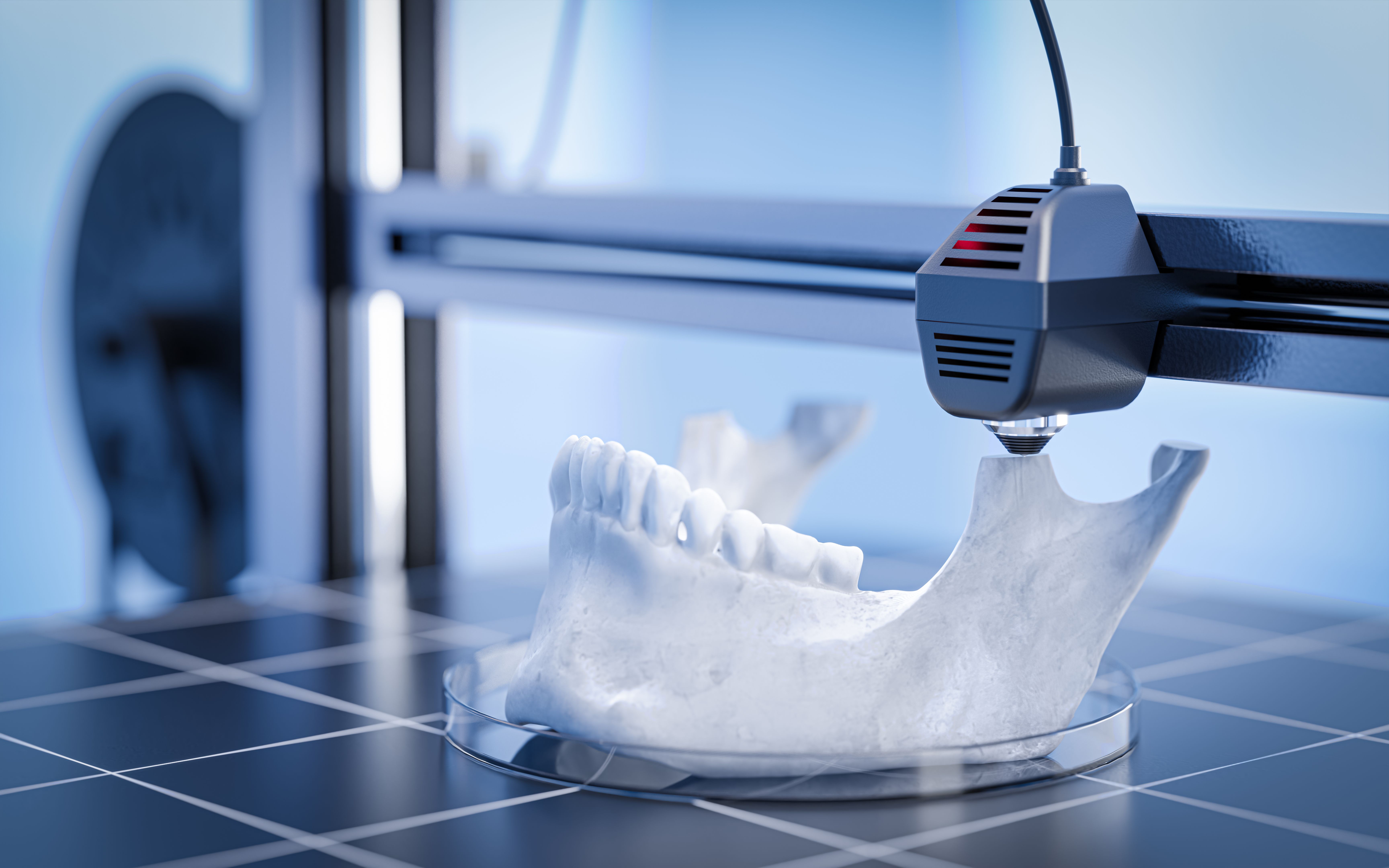
3D printing is revolutionizing the creation of medical devices and prosthetics. Custom-made implants and models can be produced quickly and at a lower cost. This technology is also paving the way for personalized medicine, where treatments are tailored to fit the individual needs of patients.
Conclusion: The Future of Health Care
The future of health care looks incredibly promising with these innovations. As technology continues to evolve, we can expect even more groundbreaking developments that will enhance the quality, accessibility, and efficiency of medical services.
Staying informed about these trends ensures that patients and providers alike can take full advantage of the benefits offered by modern health care innovations.