
Understanding Healthcare Trends: What’s New in Patient Care


Introduction to Healthcare Trends
The healthcare industry is constantly evolving, driven by technological advancements, policy changes, and patient needs. Understanding these trends is crucial for healthcare professionals, patients, and stakeholders to adapt and improve patient care effectively.
In recent years, several key trends have emerged that are reshaping the landscape of healthcare. By examining these trends, we can gain insights into the future of patient care and how it can be enhanced.
Telemedicine and Virtual Care
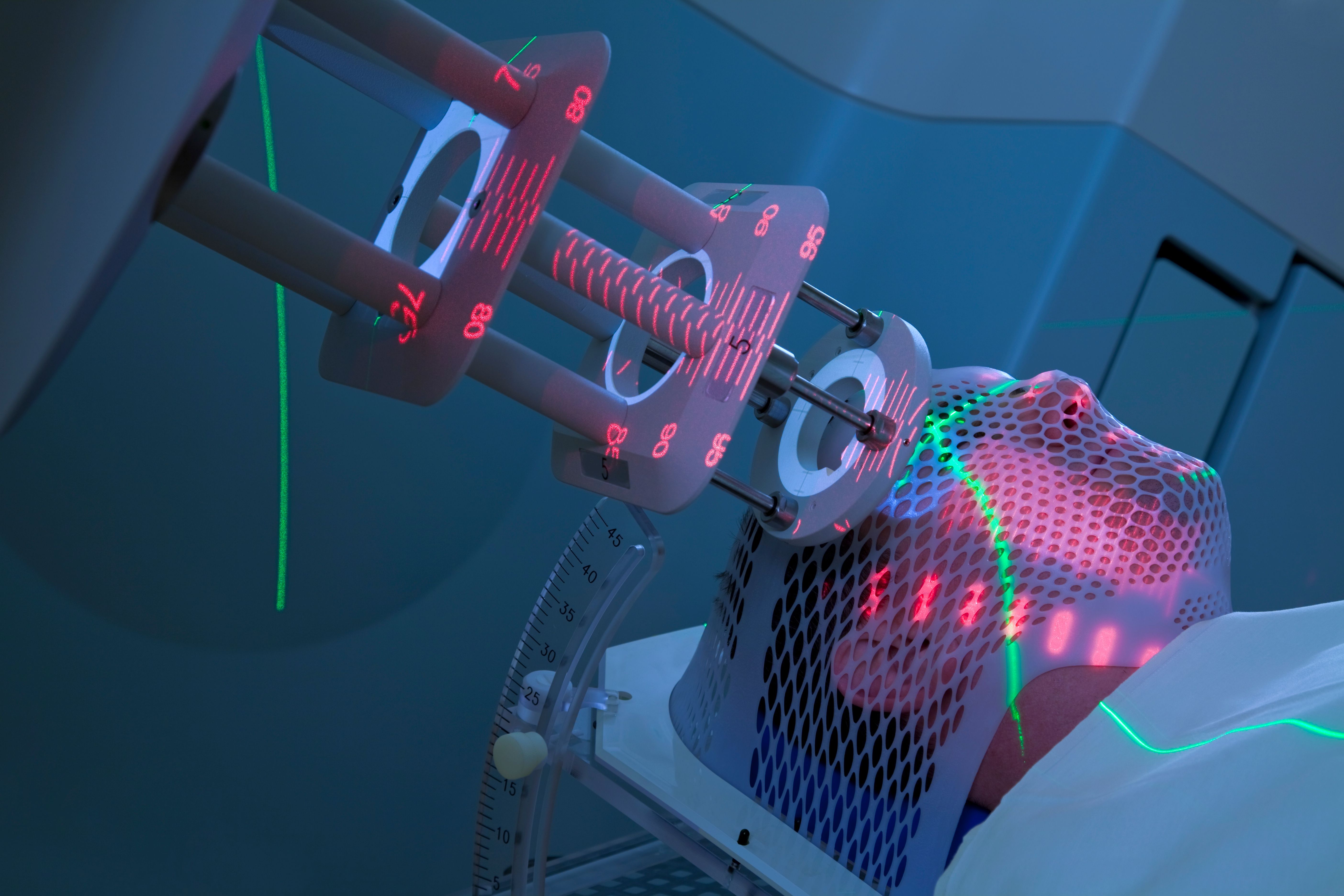
One of the most significant trends in healthcare is the rise of telemedicine and virtual care. This approach allows patients to consult with healthcare providers remotely, using digital platforms. Telemedicine has gained immense popularity, especially during the COVID-19 pandemic, offering a convenient and safe way to access healthcare services.
The benefits of telemedicine include increased accessibility, reduced travel time for patients, and the ability to reach patients in remote areas. As technology continues to improve, virtual care is expected to become an integral part of healthcare delivery.
Personalized Medicine
Personalized medicine is another trend that is transforming patient care. This approach involves tailoring medical treatment to the individual characteristics of each patient. By considering factors such as genetics, lifestyle, and environment, healthcare providers can offer more effective and targeted treatments.
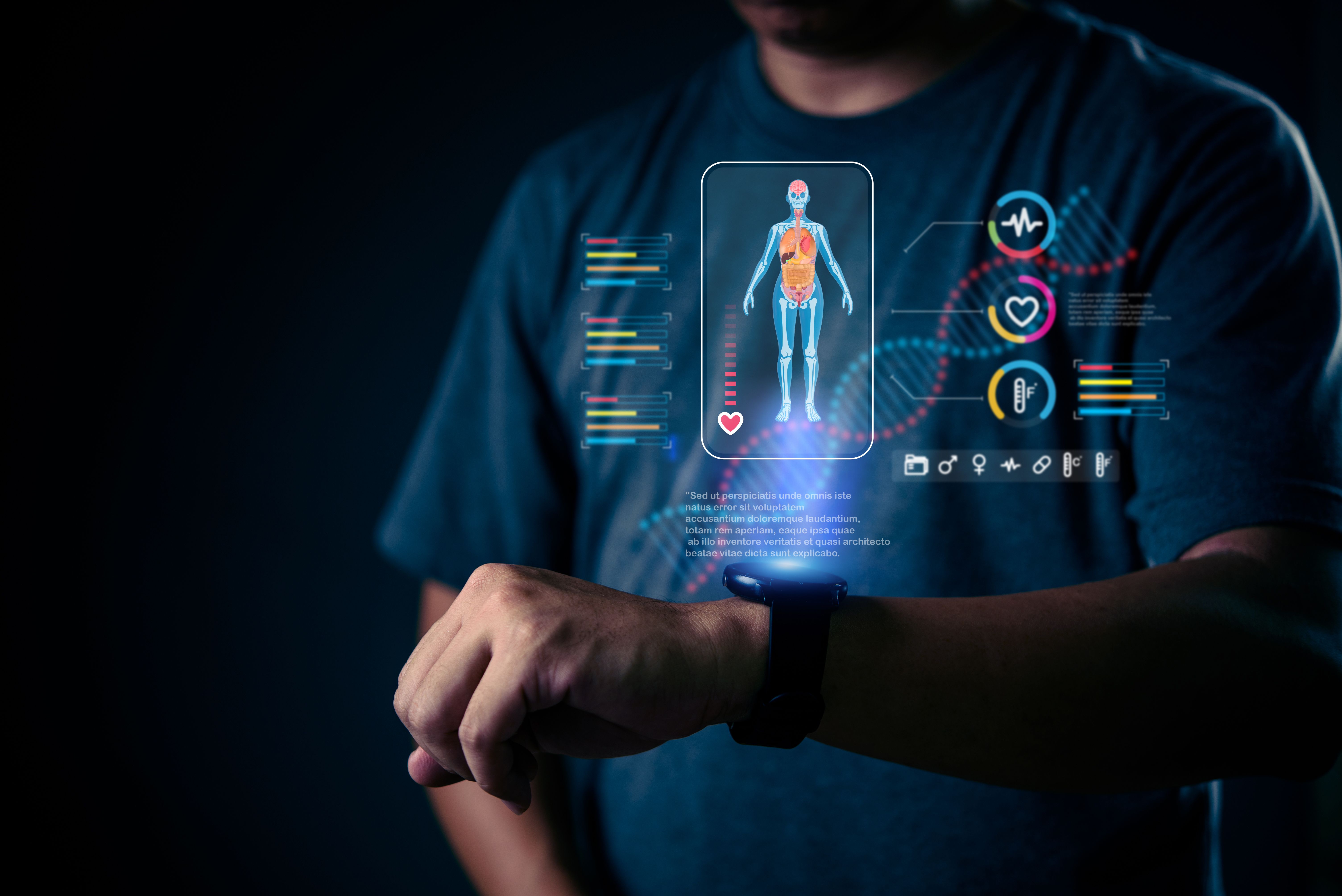
Advancements in genomics and biotechnology have made personalized medicine more accessible. Patients can now receive treatments that are specifically designed for their unique needs, resulting in better outcomes and reduced side effects.
Artificial Intelligence in Healthcare
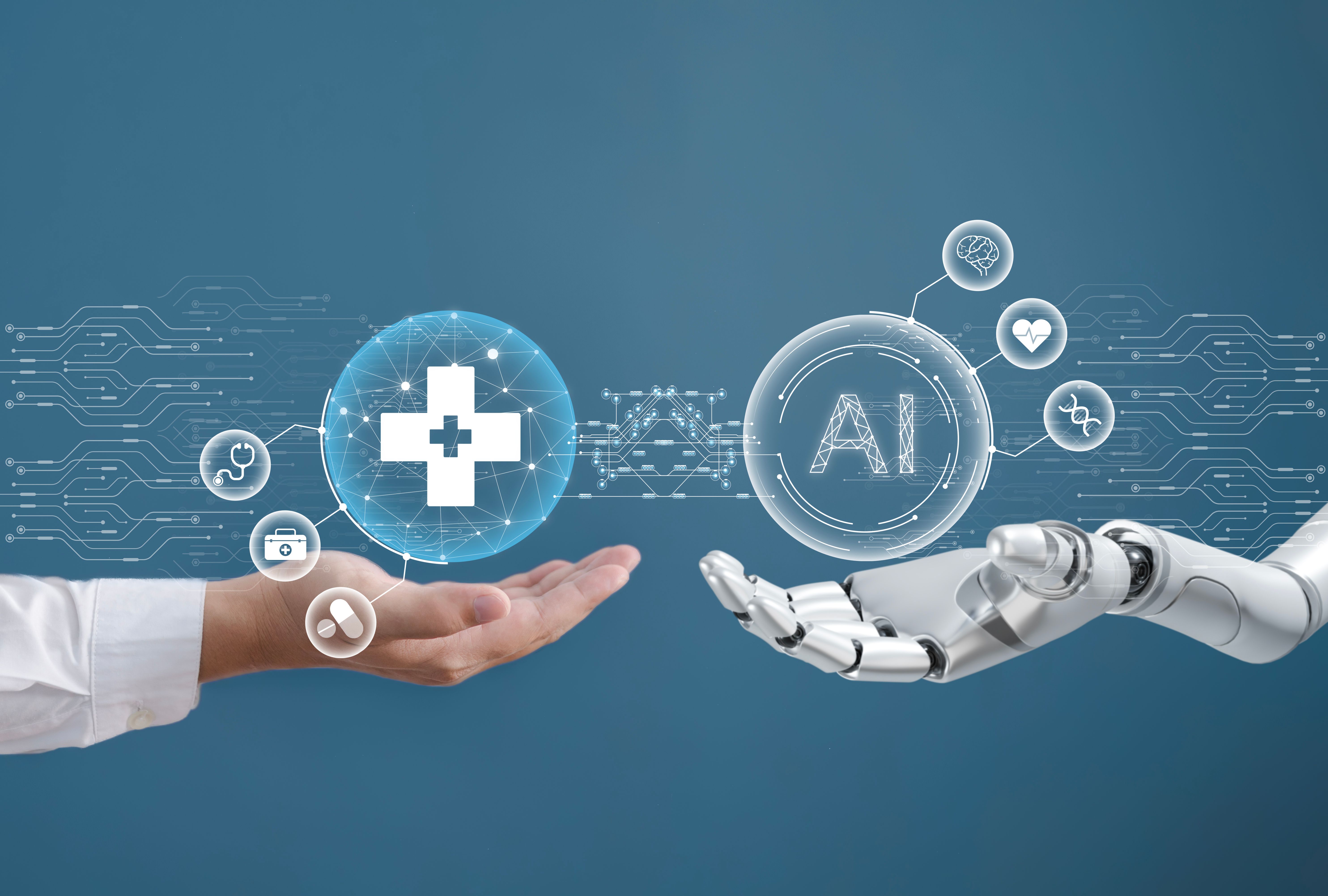
Artificial Intelligence (AI) is playing an increasingly important role in healthcare. From diagnosing diseases to predicting patient outcomes, AI is being used to enhance decision-making and improve efficiency. AI-powered tools can analyze vast amounts of data quickly, providing insights that can lead to more accurate diagnoses and treatments.
Moreover, AI can help in administrative tasks, reducing the burden on healthcare professionals and allowing them to focus more on patient care. The integration of AI in healthcare promises to revolutionize the industry by making it more efficient and effective.
Focus on Preventive Care
Preventive care is gaining traction as a key component of modern healthcare. By focusing on prevention, healthcare providers aim to reduce the incidence of chronic diseases and enhance the overall well-being of patients. This approach involves regular screenings, vaccinations, and lifestyle counseling to prevent diseases before they occur.
Patients are encouraged to take an active role in their health management, leading to a more collaborative approach to healthcare. This shift towards preventive care is expected to improve health outcomes and reduce healthcare costs in the long run.
Data-Driven Decision Making
The use of data in healthcare is becoming increasingly prevalent, enabling more informed decision-making. Electronic Health Records (EHRs), wearable technology, and health apps collect valuable data that can be used to track patient progress and identify trends.

Data-driven decision-making allows healthcare providers to offer personalized care and improve patient outcomes. By leveraging data, healthcare systems can also identify areas for improvement and optimize resource allocation.
Conclusion
The healthcare industry is undergoing significant changes, driven by technological advancements and evolving patient expectations. By staying informed about these trends, healthcare providers can adapt and enhance the quality of patient care.
Embracing innovations such as telemedicine, personalized medicine, AI, preventive care, and data-driven decision-making will be crucial in shaping the future of healthcare. As these trends continue to evolve, they promise to make healthcare more accessible, efficient, and patient-centered.