
Understanding Preventive Health Care: What You Need to Know


Preventive health care is an essential component of maintaining overall well-being and reducing the risk of chronic diseases. By focusing on early detection and intervention, preventive care can significantly enhance your quality of life.
What is Preventive Health Care?
Preventive health care involves measures taken to prevent illnesses before they develop. It includes routine check-ups, screenings, immunizations, and lifestyle counseling. The goal is to identify potential health issues early and address them proactively.

Benefits of Preventive Health Care
There are numerous benefits to prioritizing preventive care:
- Early Detection: Identifying diseases early can lead to more effective treatment and better outcomes.
- Cost Savings: Preventive care can reduce healthcare costs by minimizing the need for extensive treatment.
- Improved Quality of Life: Maintaining good health allows for a more active and fulfilling lifestyle.
Key Components of Preventive Health Care
Preventive health care comprises several critical components that work together to safeguard your health. Understanding these elements can help you make informed decisions about your health care.

Routine Check-Ups
Regular visits to your healthcare provider are essential for monitoring your health and catching potential issues early. During these visits, your doctor can assess your overall health and recommend necessary screenings.
Screenings and Immunizations
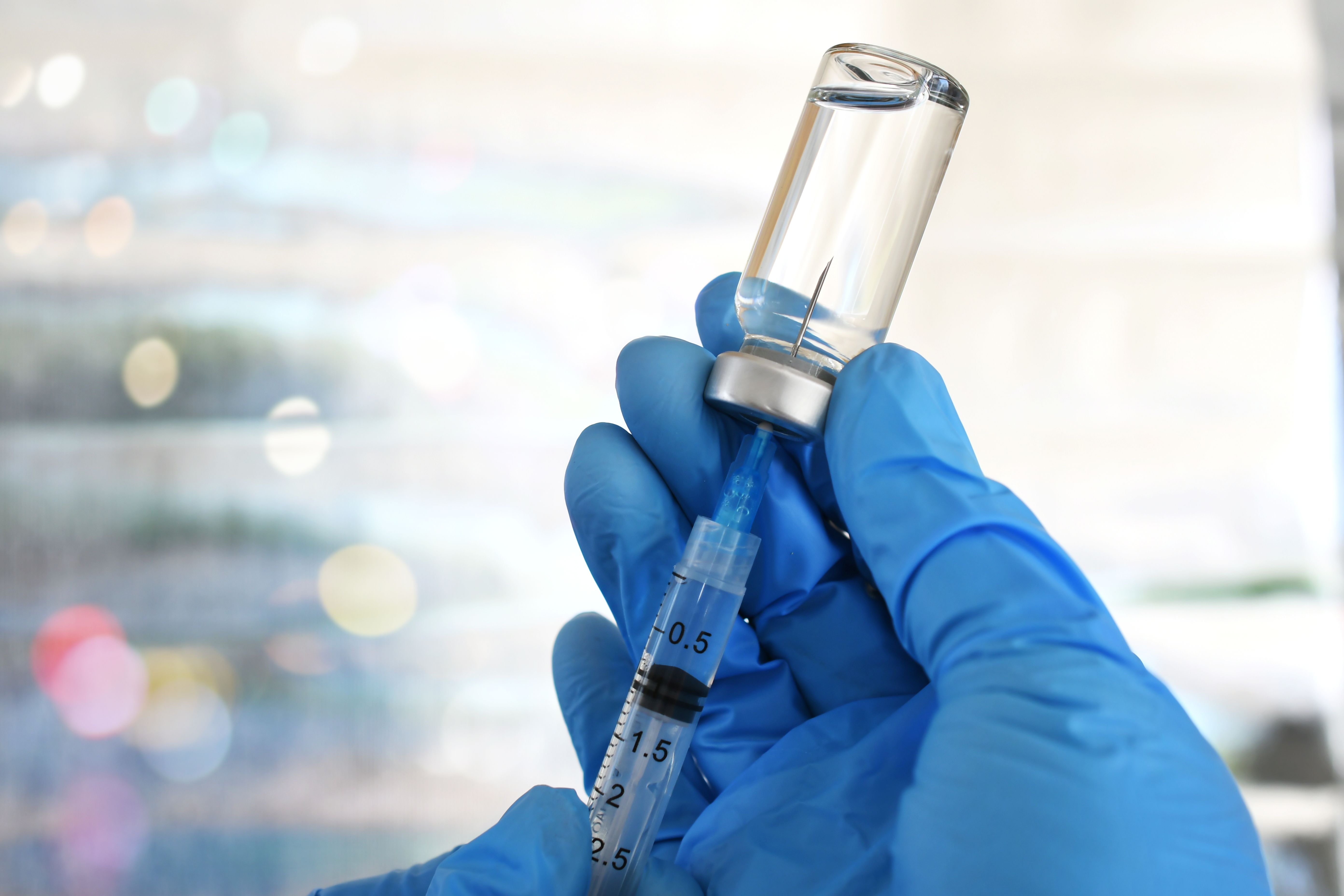
Screenings for conditions such as hypertension, diabetes, and high cholesterol are vital. Immunizations play a crucial role in preventing diseases like influenza and pneumonia. Staying up-to-date with these can protect you and those around you.
Adopting a Healthy Lifestyle
In addition to professional health care, adopting a healthy lifestyle is an integral part of preventive care. This includes a balanced diet, regular exercise, and avoiding harmful habits like smoking and excessive alcohol consumption.
Nutrition and Exercise
Eating a balanced diet rich in fruits, vegetables, and whole grains, combined with regular physical activity, can significantly reduce the risk of chronic diseases. Prioritizing these habits can lead to long-term health benefits.

Understanding and implementing preventive health care measures can have a profound impact on your health. By taking proactive steps today, you can pave the way for a healthier tomorrow.